 Skip to content
Panchakarma Benefits: Can This Ayurvedic Cleanse Support Better Health?
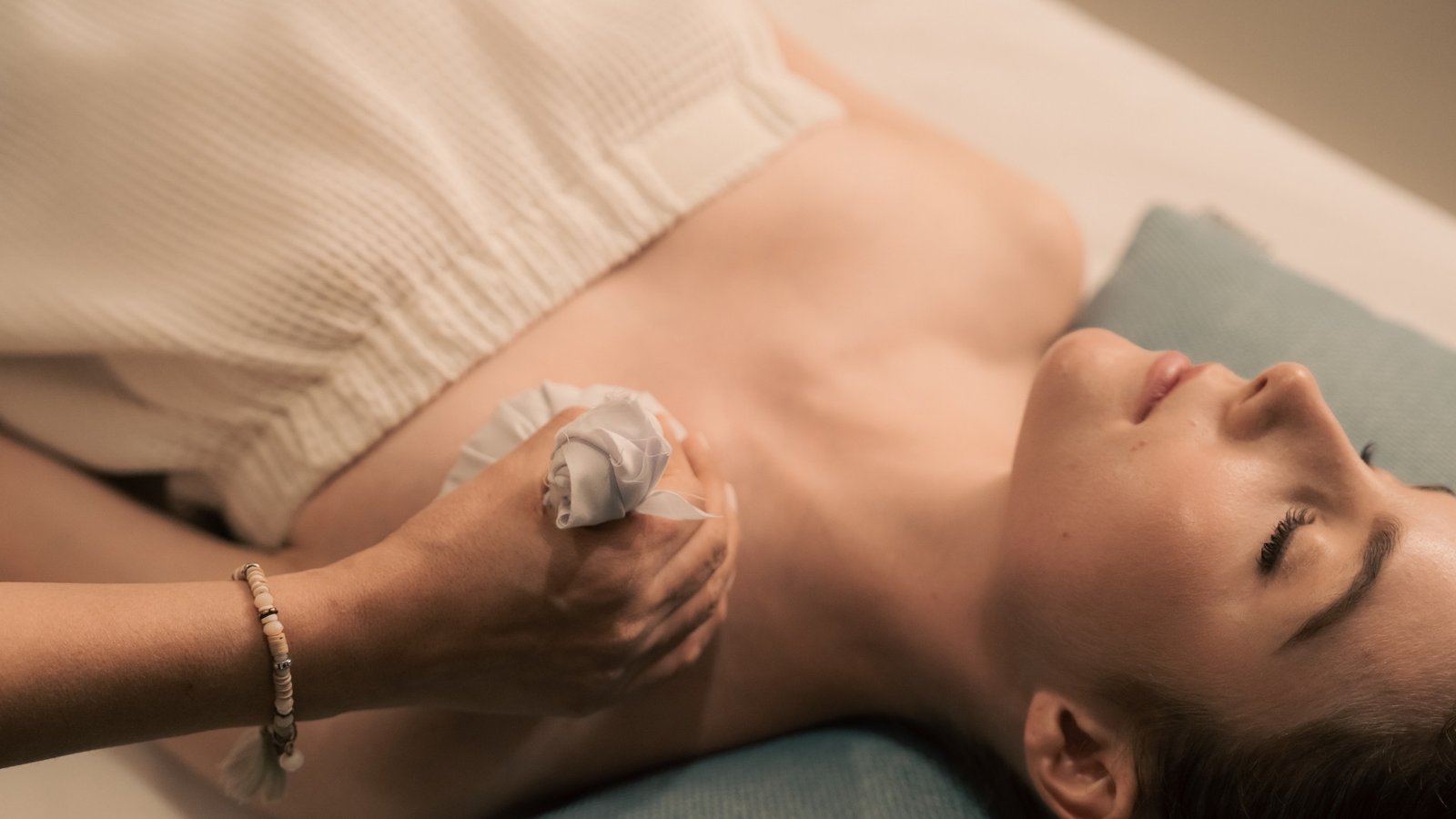
Yes, Panchakarma can genuinely support better health. It’s a traditional Ayurvedic detox method designed to clear toxins, reset digestion, and restore balance in the body and mind. Unlike quick fasting trends or juice cleanses, Panchakarma is a structured, medically guided process that’s been used for thousands of years to treat both physical and mental imbalances.
If you’re feeling constantly fatigued, bloated, stressed, or just “off,” this ancient practice may offer more lasting relief than a typical wellness trend. Let’s break down what it actually involves and whether it’s right for you.
What Is Panchakarma?
Panchakarma means “five actions” in Sanskrit. It refers to five specific detox therapies used in Ayurveda to remove toxins (known as “ama”) from the body. These therapies are typically preceded by preparatory steps like oil massages and steam therapy, which help loosen toxins before they’re eliminated.
The five core therapies include:
- Vamana – therapeutic vomiting to clear excess mucus and toxins
- Virechana – purgation therapy to cleanse the digestive tract
- Basti – herbal enemas to detoxify the colon
- Nasya – nasal administration of herbal oils to clear the head and sinuses
- Raktamokshana – blood purification, used less commonly today
Not everyone undergoes all five. A practitioner selects the right combination based on your body type, or dosha, and your current health concerns.
What Happens During a Panchakarma Treatment?
A proper panchakarma treatment isn’t a single session. It’s a structured process, usually spread across several days, that follows three main phases.
1. Purva Karma (Preparation)
This phase softens and loosens toxins in the body through:
- Herbal oil massages (Abhyanga)
- Steam therapy (Swedana)
- Dietary adjustments to prepare the digestive system
2. Pradhana Karma (Main Detox)
This is the core cleansing phase, where one or more of the five main therapies are used to actively remove toxins from the body.
3. Paschat Karma (Recovery)
After detox, the body needs time to rebuild. This phase focuses on:
- A gradual return to normal food
- Lifestyle guidance to maintain balance
- Herbal supplements to support digestion and immunity
Each phase matters. Skipping preparation or recovery reduces the effectiveness of the entire panchakarma treatment.
What Are the Real Benefits of Panchakarma?
Panchakarma isn’t just about detoxing physically. Its benefits extend across digestion, mental clarity, and long-term health.
- Improves digestion. Many people report reduced bloating, better appetite, and more regular digestion after treatment.
- Reduces chronic fatigue. By clearing built-up toxins, the body often has more consistent, natural energy.
- Supports stress and mental clarity. The combination of oil massages, herbal treatments, and rest helps calm the nervous system.
- Helps with chronic conditions. Ayurvedic practitioners often use Panchakarma to support conditions like arthritis, skin issues, and hormonal imbalances, alongside conventional care.
- Resets unhealthy habits. The structured diet and lifestyle changes during treatment often help people break patterns like poor eating or disrupted sleep.
It’s worth noting that Panchakarma works best as a complement to conventional medicine, not a replacement for it, especially for serious medical conditions.
Is a Panchakarma Retreat Worth It?
If you’re serious about doing this properly, a panchakarma retreat is usually the better option compared to scattered individual sessions. Here’s why:
- Full supervision. A retreat gives you daily monitoring from trained practitioners throughout the entire process.
- Proper sequencing. All three phases, preparation, detox, and recovery, are followed correctly and without gaps.
- Distraction-free environment. Being away from daily stress and food temptations makes the cleanse far more effective.
- Personalized care. A good panchakarma retreat starts with a consultation to determine your dosha and customize your treatment plan accordingly.
Most retreats run anywhere from 7 to 21 days, depending on your health goals and how deep the detox needs to go.
What Should You Look for in a Panchakarma Retreat?
Before booking, check for:
- Practitioners with formal Ayurvedic training
- A proper initial consultation, not a generic package
- Use of authentic herbal oils and ingredients
- Clear explanation of what each phase involves
- Genuine reviews from past guests
Final Thoughts
Panchakarma isn’t a quick fix, it’s a time-tested reset for your body and mind. When done properly, a structured panchakarma treatment can genuinely improve digestion, energy, and overall wellbeing.
If you’re ready to experience it fully, consider booking a panchakarma retreat with certified practitioners who can guide you through each phase safely. Your body has been carrying more than you realize, it might be time to let it go.
