
5 Effective Yoga Poses for Office Syndrome
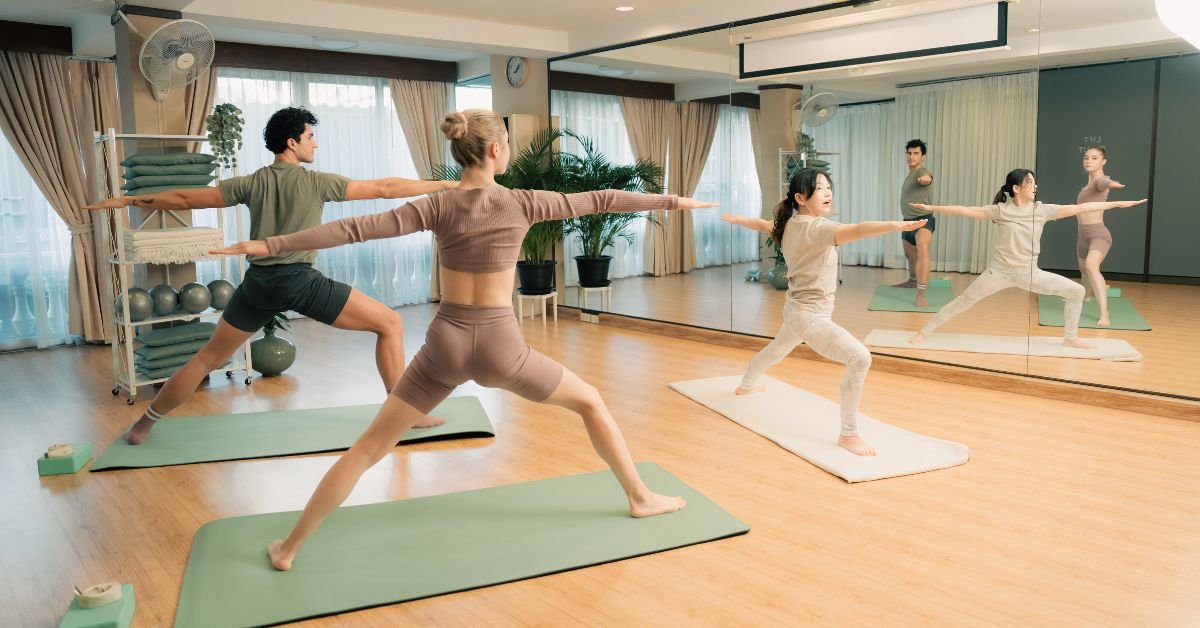
Office syndrome has become a serious lifestyle issue for working professionals. Long sitting hours, continuous screen exposure, poor posture, and lack of physical movement lead to neck stiffness, back pain, shoulder tightness, wrist discomfort, and mental fatigue.
Practicing specific yoga poses for office syndrome helps reverse the physical and mental damage caused by desk jobs. These poses are simple, safe, and effective when practiced consistently.
What is Office Syndrome?
Office syndrome refers to a group of musculoskeletal and stress-related problems caused by prolonged desk work and poor ergonomics.
Common symptoms include:
- Neck and shoulder stiffness
- Upper and lower back pain
- Poor posture and spinal misalignment
- Wrist and finger discomfort
- Mental fatigue and stress
Ignoring these symptoms often leads to chronic pain and reduced work efficiency.
How Yoga Helps in Office Syndrome Relief
Yoga addresses office syndrome holistically by working on:
Muscle release: Loosens tight neck, shoulders, hips, and back
Postural correction: Improves spinal alignment and sitting awareness
Nervous system relaxation: Reduces stress and mental exhaustion
5 Effective Yoga Poses for Office Syndrome
These yoga poses are specifically selected to target the areas most affected by office syndrome — neck, shoulders, spine, hips, and lower back.
1. Neck Rolls (Greeva Sanchalana)
Long screen time and poor sitting posture cause stiffness in the neck and upper spine. Neck rolls gently release tension accumulated due to prolonged forward-head posture.
Key Benefits:
- Relieves neck stiffness and tightness
- Improves blood circulation to the brain
- Reduces headaches caused by screen strain
- Improves neck mobility
How to Practice:
- Sit comfortably with spine straight
- Slowly drop chin towards the chest
- Rotate the neck in a circular motion
- Repeat 5–7 rounds clockwise and anti-clockwise
Common Mistake:
Fast or jerky movements. Always move slowly with breath awareness.
2. Cat–Cow Pose (Marjaryasana–Bitilasana)
This pose counteracts stiffness caused by long sitting hours and restores natural spinal movement. It gently massages the spine and activates core muscles.
Key Benefits:
- Relieves upper and lower back stiffness
- Improves spinal mobility
- Reduces pressure on spinal discs
- Enhances posture awareness
How to Practice:
- Come into tabletop position
- Inhale and arch the spine (Cow pose)
- Exhale and round the spine (Cat pose)
- Repeat 8–10 slow rounds
Common Mistakes:
Do not force the movement or collapse the lower back; keep the motion slow and controlled with your breath.
3. Seated Spinal Twist (Ardha Matsyendrasana – Seated Variation)
Office work limits spinal rotation, leading to stiffness and poor posture. Gentle seated twists help realign and detoxify the spine.
Key Benefits:
- Releases tension from the spine
- Improves posture and spinal alignment
- Stimulates digestion
- Reduces lower back stiffness
How to Practice:
- Sit with spine upright
- Twist gently to one side while exhaling
- Hold for 20–30 seconds
- Repeat on the other side
Common Mistake:
Don’t twist forcefully if you have disc issues or severe back pain.
4. Shoulder Rolls & Eagle Arms (Garudasana Arms)
Shoulders and upper back store maximum tension due to constant mouse and keyboard usage. This combination releases deep muscular tightness.
Key Benefits:
- Relieves shoulder and upper back stiffness
- Improves shoulder mobility
- Reduces tension headaches
- Opens chest and upper spine
How to Practice:
- Roll shoulders forward and backward 10 times
- Cross elbows and lift arms into Eagle arms
- Hold for 20–30 seconds
Common Mistakes:
Avoid lifting the shoulders towards the ears; keep the neck relaxed to prevent strain.
5. Standing Forward Bend (Uttanasana – Gentle Variation)
This pose decompresses the spine and deeply calms the nervous system, making it ideal after long working hours.
Key Benefits:
- Releases spinal compression
- Reduces lower back tension
- Calms the mind and nervous system
- Improves blood circulation
How to Practice:
- Stand tall, exhale and fold forward
- Keep knees slightly bent if needed
- Relax head and arms
- Hold for 30–60 seconds
Common Mistakes:
Do not lock your knees or force the stretch if you have tight hamstrings or lower back discomfort.
Yoga vs Ignoring Office Syndrome
This table help you clearly understand why yoga is a better long-term option:
| Aspect |
Without Yoga |
With Regular Yoga |
|---|---|---|
| Neck & back pain | Increases over time | Gradually reduces |
| Posture | Worsens | Improves |
| Energy levels | Low | Balanced |
| Stress | High | Controlled |
Yoga prevents office syndrome from turning into a chronic condition.
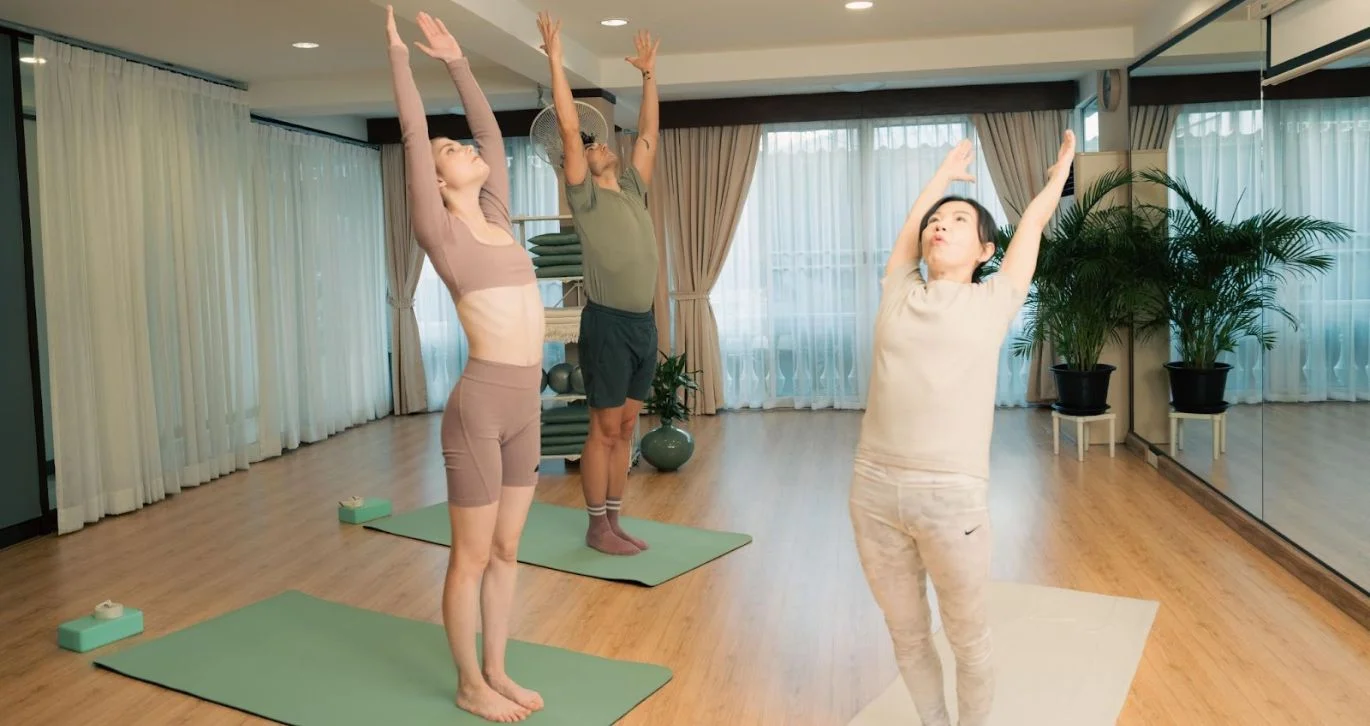
Supporting Yoga Practice with Holistic Therapies
For people with long-term stiffness and stress, yoga works best when combined with holistic treatments.
Supportive therapies include:
- Therapeutic massage
- Shirodhara for mental relaxation
- Ayurvedic consultation for posture-related imbalance
How Often Should Office Professionals Practice Yoga?
| Lifestyle | Recommended Practice |
|---|---|
| Desk job professionals | 15–20 minutes daily |
| High-stress workload | 4–5 guided sessions per week |
| Chronic pain | Personalized therapeutic yoga |
Short daily practice is more effective than occasional long sessions.
Why Choose Prem Yoga & Ayurveda?
At Prem Yoga & Ayurveda, yoga programs for office syndrome focus on therapeutic alignment, posture correction, and stress relief — not just stretching.
Guided yoga combined with Ayurvedic support ensures long-term results rather than temporary relief.
Conclusion
Office syndrome is not just temporary discomfort — it is a lifestyle-related condition that worsens if ignored. Practicing these 5 yoga poses for office syndrome can significantly reduce pain, correct posture, and restore physical and mental balance. With consistency, correct technique, and proper guidance, yoga becomes one of the most effective tools for desk-related health issues.
